Companion Planting
The most important thing to know about.
Plants grow in many diverse sites throughout the world. They have developed different ways to get nutrition and moisture from each soil and climate. They have to deal with different animals eating them in different areas. This causes many problems when you plant plants that have no protection, no ties, no food and no water strategies for your plant community, soil or climate.
Plants have evolved to different strategies for each plant community, soil type and climate. That is a reason you do not often see only one type of plant in the wild over vast areas. This is not competition in the old sense. The only places 'competition' exists are in your yard, wet disturbed places or weedy areas. (Most yards fit this competitive scenario because we grow plants from many plant communities all mixed together.) In the wild, competition per say does not exist. The real world relies on redundancy, help from friends in the community and a very long-term look at life. The individuals become part of the whole and live and die with it.
Below are the different strategies that forms of life use to survive: (adapted from Grime, 1979)
Realize these are not set in stone but are generalities and tendencies.
Ruderals
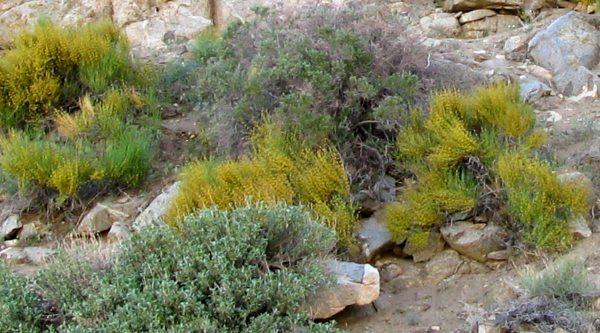
Ruderals, "R" or "r" selection. These are the weeds of the world. Their whole life is spent trying to make as many seeds as possible before their short life is spent. Ruderals are eaten by all as energy is not used for defense but only to produce flowers and seed. Ruderals need very high nutrition and regular water to stay alive. Most are not community oriented. (Ruderals are non-mycorrhizal or will become mycorrhizal only if food or water can be drawn from the mycorrhizal grid. Mycorrhiza means fungus root. 90% of the plants in the world have a fungal partner that helps them draw nutrition and moisture from the soil. Mycorrhizas protect plants from diseases and insects and can tie vast areas together.) Ruderals flower like mad (trying to produce seeds). Their many flowers and fruits make them the annual color plants and many vegetables that we plant in our gardens. Ruderals have a limited ability to grow well in shade. Ruderals are the first ones into disturbed areas where they use as much water and nutrition as fast as possible. Ruderals like bare ground and cannot reseed well on mulched areas. Their growth is not helped with mulch and Ruderals will sometimes rot off at the stem if they are mulched. Ruderals live in a bacterial-based soil that can often be wet, soggy and highly fertile. (If only for as long as it takes to make seed.) Do not mix ruderals with most California native plants.
R simply defined
High nutritional needs
High water use(inefficiently)
Short life
Lots of flowers
Hard to kill or control (as it will seed in days if the conditions are right)
Insects damage ( think of all the herbicides people use in their flower gardens)
Likes soil amendments, hates mulch
Many seedlings
Weedy' growth
Very competitive
Individualistic to
their species, I.e., the plant community is not supported, ruderals try
to collapse community structure (a single weed in the pot with a
mycorrhizal species is normally fatal.)
Some Common Ruderals
Alyssum, Creeping Charlie ,Beets ,Dicentra, Purslane, Dusty Miller, Radish, Bouncing Bet, Four-O'Clock ,Rape ,Broccoli, Garden Cress, Rhubarb,Cabbage, Globe-Amaranth, Sandwort, Candytufts, Ice plant ,Starlings, Sorrel, Carnation, Kale, Spinach, Cauliflower, Kohlrabi ,Stock Chard, Lawns(except Bermuda), Stone-cress, Collards ,Mustard, Sweet William, Nasturtium, Turnips ,New Zealand Spinach, Wallflower, Pinks, Wandering Jew, Poke-weed
It can be useful to think of ruderals as bad elements in the community. No structured sense of community, all they do is reproduce, consume resources and damage stuff. Nothing is put back into the community, no long term strategy other than reproducing first and as often as possible.One article said that weedy grasses can seed at their level of maturity. If the seed is 10% mature it will have 10% germination.
Circumventer
Circumventer ,"C" selection (circumventor or circumventer). These are many of our western wildflowers, perennials, shrubs, and much of the rest of the worlds shrubs and trees. These are the plants that shut down during stress (sometimes for years or decades.) When there is much nutrition or moisture available Circumventers grow, flower and produce seed, in much of the west that is our spring or early summer. The rest of the year Circumventers are dormant. When Circumventers go through this cycle, they produce much mulch. Cs are many of the secondary fire-followers that rebuild the mulch on the disturbed site. Circumventers usually are not bothered much by bugs or animals during their spring flush, but if you water them during the summer and keep them evergreen expect them to be unstable and have some bugs. In other areas of the country that have much summer rain these are most of the shrubs and trees. The trees grow tall and fast and are largely deciduous. These plants can live a long time. Circumventers store some energy and do not rely only on yearly seed production to live from year to year. The perennials can live for 10 to 150 years. Our wildflowers are annual forms of these. Circumventers will sometimes lie dormant for years before germinating. (That is a reason why wildflower seed remains viable for years but some vegetable seeds fail after a couple of years.) Most of the circumventive perennials, shrubs and trees tolerate or require surface mulch. Circumventers can handle regular water only when they are used to it in their wild environment.
Circumventers that have stress-tolerant or ruderal tendencies will sometimes change when they are introduced into another climate, soil or plant community. If the limiting stress is removed, a borderline stress tolerant may be a full stress tolerant, (Ceanothus in many spots) if water was making a plant a circumventer regular water may allow it to become more ruderal (Ca. Poppies in high rainfall areas). A C plant in the mellowest community it lives in it may become a K.
R -C- K
C= Many flowers during their flowering period and usually are not weedy
community oriented(provides support for the fungal grid and animals)
Cs can be very drought tolerant, particularly if associated with its native neighbors or in the shade of its companion trees.
Do not underestimate the 'disappearance' under stress. Some species do not even leave a bump. It seems a miracle when it reappears when the stress is removed. Amphibians fit this, as does the poker player that folds a lot waiting for the perfect hand.
(A poker playing frog?)
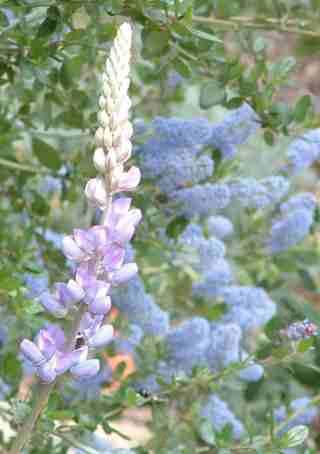
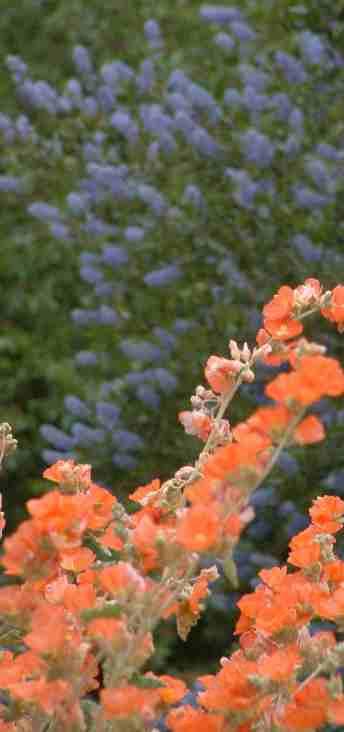
Some Common Circumventers
Acacia, Corn, Mock Orange, Tulip Tree ,Alders, Currants, Most deciduous trees ,Viburnums, Ash, Dogwood, fruit trees, Wheat, Asters, Elm ,Nut Trees, Baby Blue eyes, Forsythia, Oleander, Barley, Fuchsia, Onions, Tomatoes, Bermuda grass, Gingko, Penstemons, Berries, Gooseberries, Plane, Buckeye, Hibiscus, Potato Bulbs, most Hydrangea, Privet Lupine Calif. Poppy Iris Chrysanthemum Liquidambar Roses Spiraea Maple Bougainvillea
Stress-tolerant
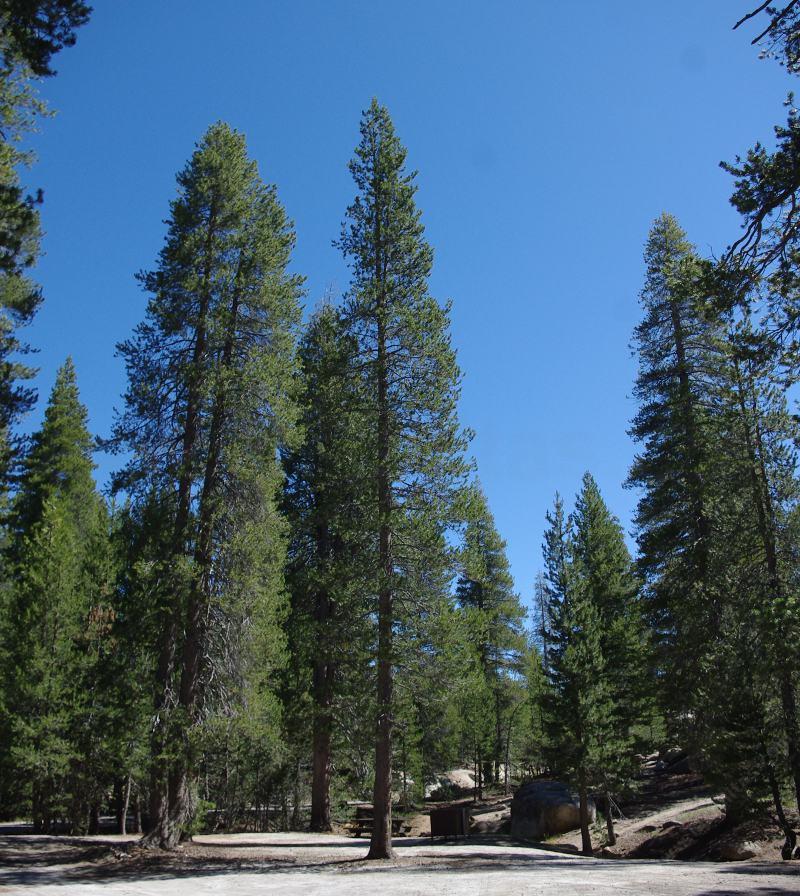
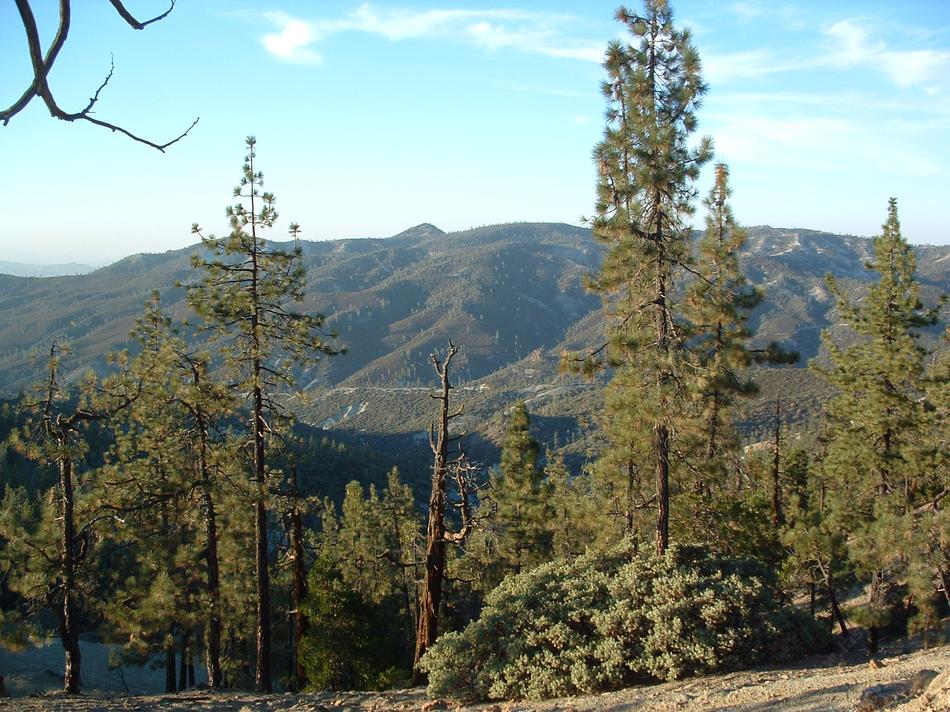
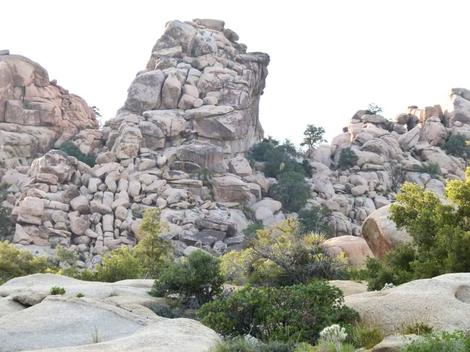
Stress-tolerant, "S" or "k" selection. In highly stressed environments these are most of the plants that can survive longer than a season. Stress-tolerants grow where the soil is poor, the rainfall is low, the climate harsh, or the sunlight is low or limited. These plants have evolved slow, long-term actions and live long, to very long. The perennial forms of these can live for a hundred or more years. The shrubs and trees can live for a thousand years. Stress-tolerants may make seeds only every 50 years or so, or Stress-tolerants may make only small quantities every year expecting a fire or other mass disturbance to germinate them sometime in a 100-500 year period. Stress-tolerants may carry each leaf for years. Stress-tolerants have many redundant strategies to survive, e.g., crown sprout, seed and sucker to reproduce. Stress-tolerants have thick bark in fire areas and lie low on the ground in arctic areas. Stress-tolerants are mutualistic, (i.e., help each other) and highly mycorrhizal, sharing their strengths with each other within their community, passing nutrients and moisture underground. The stress-tolerant creek species that grow next to creeks have water but may be limited by nutrition (because of high seasonal moisture), while the ones on the hillside are limited by water but not nutrition; by sharing, each is stronger. Stress-tolerant plants cannot handle high moisture and nutrition other than seasonally when their fungal partners are inactive(only for 2 months or so each year). Stress-tolerants love surface mulch. Desert ones like rock, forest ones like chipped wood or leaves(litter). Stress-tolerants often have built-in weed control. That is, Stress-tolerants limit their own growth and the growth of plants nearby to use the nutrients and water available. Stress-tolerants live in a fungal-based soil.
Some common Stress Tolerants Bay, California Fir Blueberries Incense Cedar Bunch Grasses(interior forms) Ceanothus(interior forms) Manzanitas Cranberries Oaks, evergreen Creosote Cypress Photinia Douglas Fir Pines Eucalyptus
S or k= Long lived
drought tolerant if part of the community
doesn't crave water other than what, when, and how it occurs in its natural community
(plants from the lower desert drown in high winter rains, most of our plants hate summer rainfall or watering.)
usually bug free likes low fertility mulch hates being fertilized hates amended soil hates insecticides or fungicides
The best S or K plant is one most adapted to your site, i.e., native on the site.