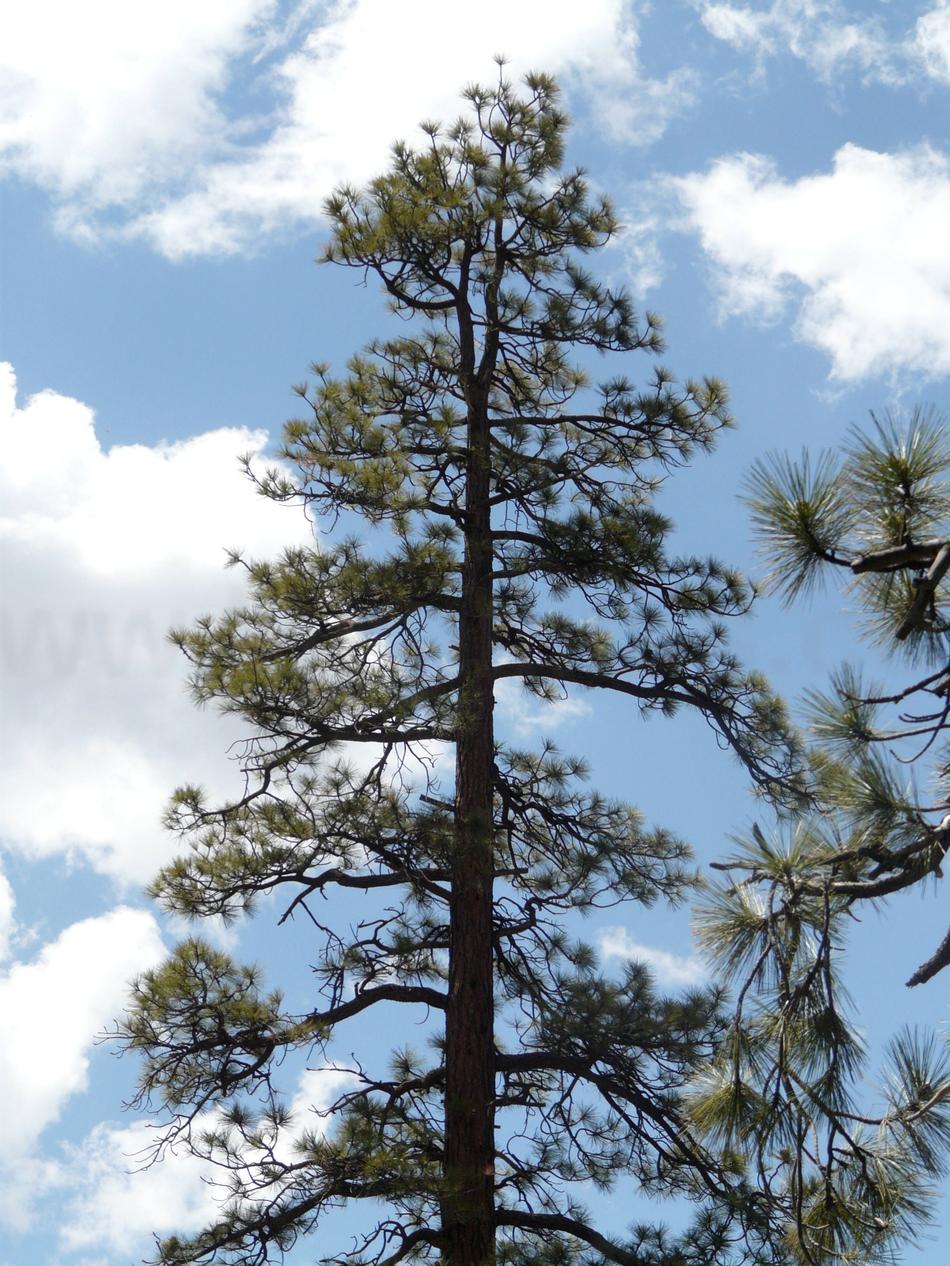
Definition of plant strategies.
These are life strategies and are adapted from Grime's Plant Strategies , (a different version of K S). These delineations are based on the life strategies of plants.
Ruderal Plants
The annual plants that are purchased in pony packs (6 liner pack) from a supermarket, and many of the shrubs, and even trees that come from creeks and river banks world wide, have ruderal life strategies. This means that they have short-term strategies: they are short-lived, produce lots of seed or propagules, do not have any fungi or bacteria friends, nor produce their own chemicals, such as antibiotics to protect themselves from pathogens. They protect themselves mainly by growing thick roots and producing a lot of seeds fast. Moreover, their seeds can reproduce even when very immature. They are usually also termed pioneer plants in their own plant community and/or they live in easy spots, such as along creeks and rivers, where there is lots of food and water. These plants are easy to grow; just add water, amendments, and fertilizer.(Ruderals have limited use for mycorrhizae, a symbiotic relationship between plant roots and fungi; they are usually associated with garbage mycorrhiza (Richard Miller called them that) and bacteria. "In each case, higher bacterial counts were recorded in the rhizospheres of cultivars susceptible to disease." In the soil, in the vicinity of the roots of these plants, the ratio of free-living bacterium to free-living fungus is about 1/1
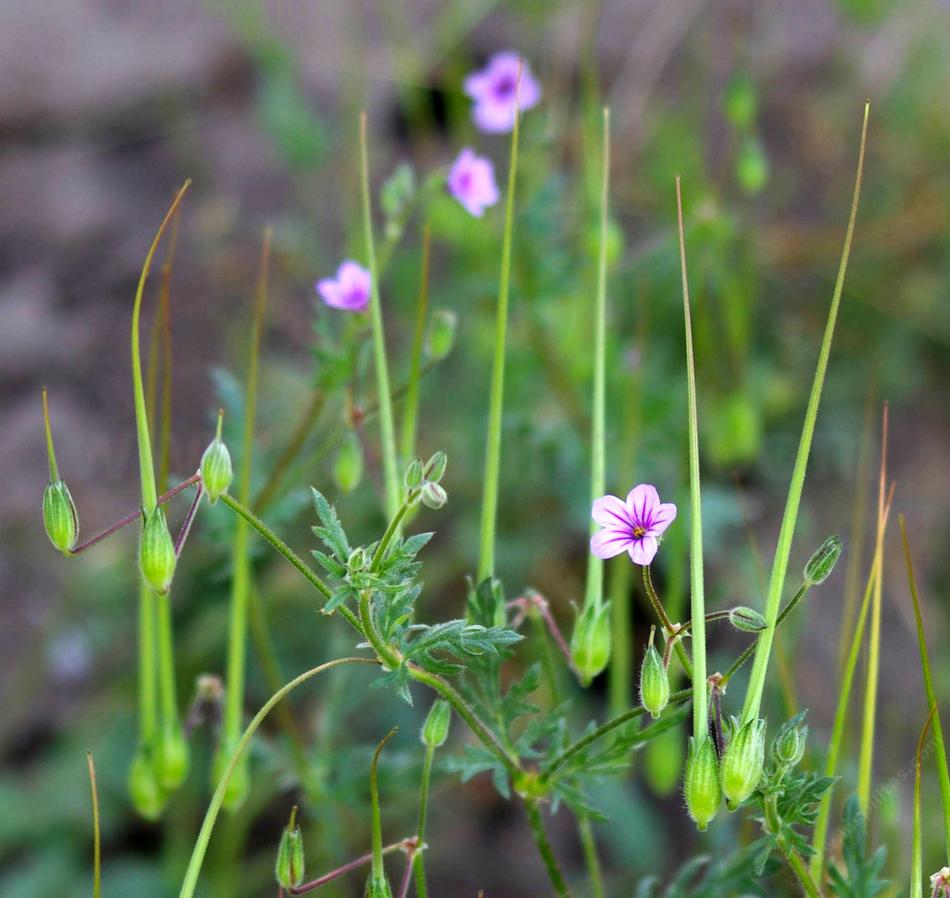
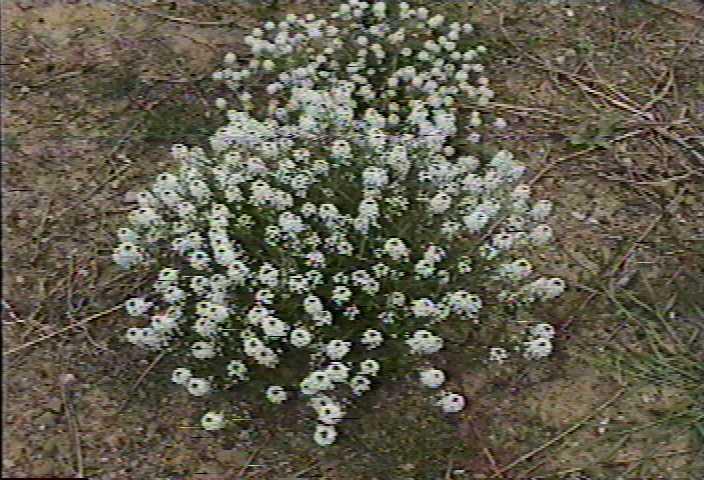
The only native plants that fit the ruderal definition are things like Evening Primrose (Oenothera hookeri), Horsetail (Equisetum spp.), Bulrush (Scirpus spp.), etc. These aren't even in the same league as the non-native ruderals, many of which have adapted to human disturbance and just follow in our wake (Bromus spp., Erodium spp., Lobularia sp. and other nasties) Dabblers and decorators love these plants (along with most deer and rabbits, to them they "taste like lettuce"). These guys are truly weeds!
Circumventor Plants
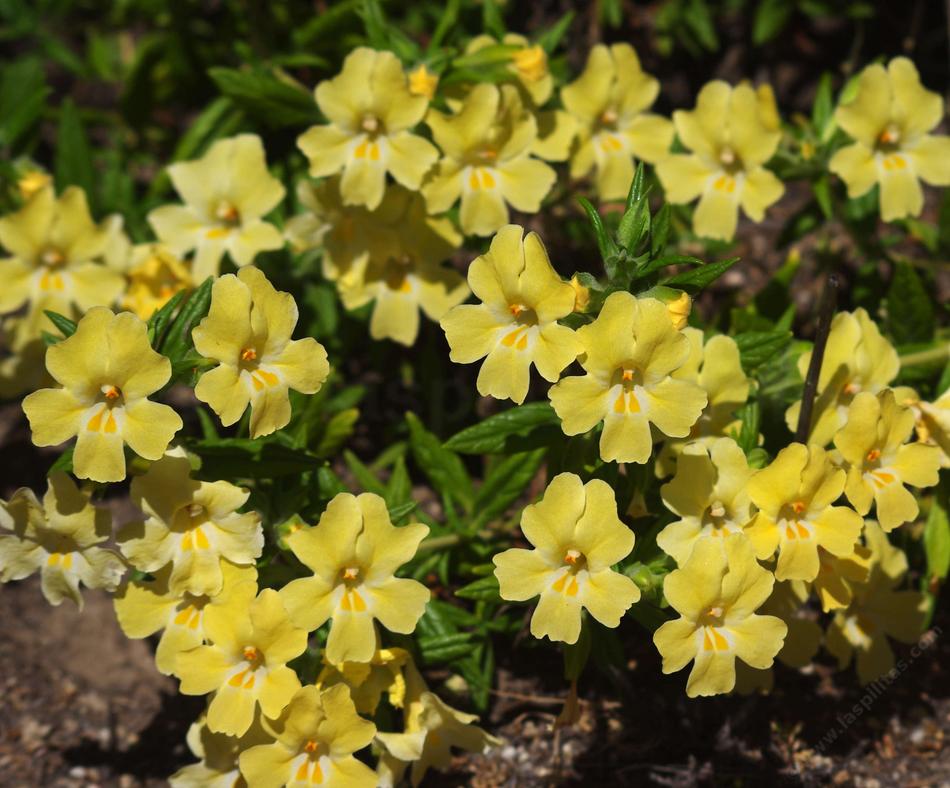
These types of plants have life strategies which are midway between ruderal and stress-tolerant. These types of plants are deciduous under stress. Circumventors can include about 50% of the native species; for example, California Fuchsia (Zauschneria or Epilobium spp.), Monkey Flower (Diplacus or Mimulus spp.), Buckwheat (Eriogonum spp.)Fleabane Daisy (Erigeron spp.), Lupine (Lupinus spp.), Penstemon (Penstemon spp.), some California Lilacs (Ceanothus spp.), some Sages (Salvia spp.), Sagebrush (Artemisia spp.), etc. along with Cottonwood/Poplar/Aspen (Populus spp.), Willow (Salix spp.), etc., along with most of our native annual wildflowers and perennial and annual native grasses (these plants are browsed hard seasonally if watered off- season.)
Non-native plants include Rockrose (Cistus spp.), Lavender (Lavandula spp.), Rosemary (Rosmarinus spp.), Thyme (Thymus spp.), India-Hawthorn (Rhaphiolepis spp.), Pear (Pyrus spp.), etc. These plants are harder to grow and you must pay attention to seasonal issues on native plants. Also, non-native plants become unstable under high fertility and water use. In the soil, in the vicinity of the roots of these plants, there is a ratio of 1 free-living bacterium to 2-4 free-living fungi.
I'd guess the easiest way of telling a ruderal from a circumventor is how long it lives and how well it lives within it's plant community. Ruderals prefer waste areas man has screwed up, circumventors live much longer within a plant community and are very short lived in areas where many has screwed up. Having said that, a ruderal commonly lives one season and a circumventor will still live for a decade on a screwed up site.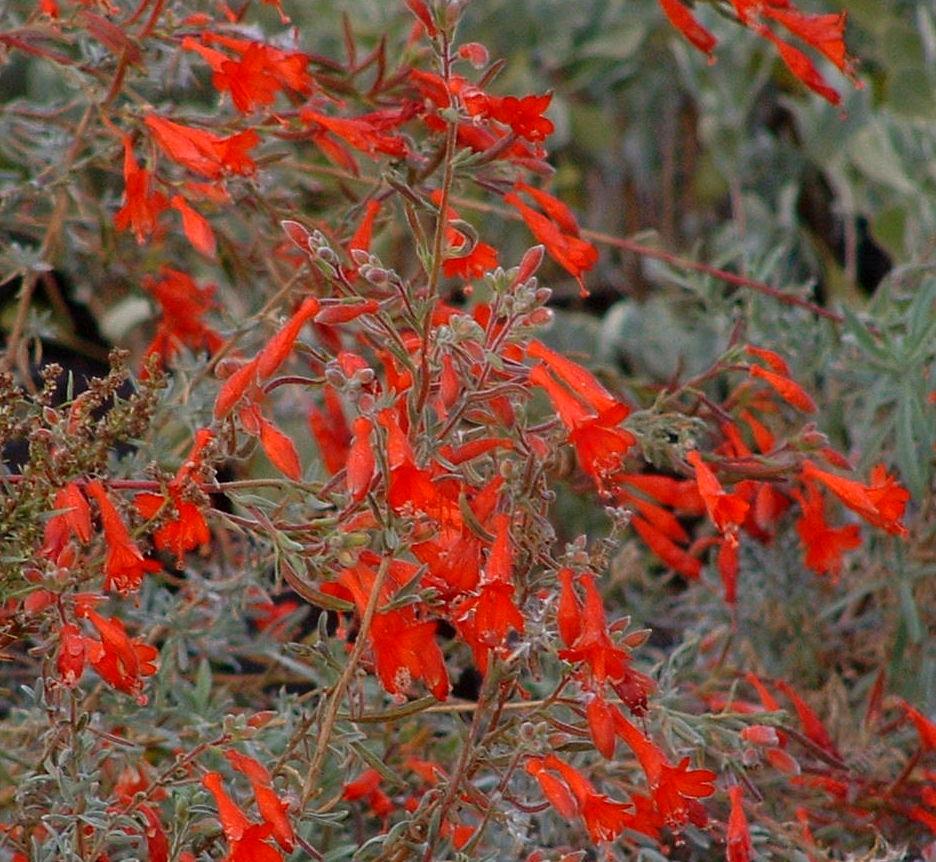
Stress tolerant Plants
These plants possess long-term life strategies. These include Manzanitas (Arctostaphylos spp.), many of the Oaks (Quercus spp.), most Pines (Pinus spp.), some California Lilac (Ceanothus spp.), some sages (Salvia dorri), some Buckwheats (Eriogonum spp.), ( the high elevation and some desert ones ), some Junipers (Juniperus spp.), etc. These plants are easy to grow if you treat them exactly the opposite of how you would treat the ruderal plants; for example, give them little or no water, no fertilizer, and no soil amendments. In the soil, in the vicinity of the roots of these plants, there is one free-living bacterium for every 7-9 free-living fungi.
Stress tolerant plants can live for centuries waiting for the three of four years of good rainfall to reproduce. Many areas of the state have all the oaks of the same age, or all the junipers about the same age. A few good years after decades if bad years and you get seedlings everywhere.
California can have 80 year droughts, or 200 year floods that dump
amazing amounts of water. Our long lived plants have to handle both.